


If you've found yourself here, there's a good chance we have something in common.
You've worked hard. You've done what you thought you were supposed to do. Built the career, looked after the family, kept everything going. From the outside, life probably looks pretty good. But somewhere along the way you've started wondering, "Is this it?" You know something needs to change, but you can't quite work out what - or why, despite all your intelligence and life experience, you can't seem to think your way out of it.
I'm Jen, a qualified Coaching Psychologist Practitioner and founder of The Direction Coach. Like many of my clients, I'm navigating the realities of midlife, juggling work, family, caring responsibilities and all the questions that come with this stage of life. I know what it's like to spend years doing what you think you should do before finally stopping to ask, "What do I actually want?" Couple of burnout episodes, plus getting all “Pandemic Philosophical” were some significant turning points for me.
Today, I blend coaching with evidence-based psychology to help thoughtful people understand what's really keeping them stuck and build a life that feels like their own. My approach is grounded in Acceptance and Commitment Coaching (ACT) and shaped by my own research into psychological flexibility, but what matters most is this: I won't tell you how to live your life. I'll help you ask better questions, make sense of what's getting in your way, and create a direction that genuinely fits the person you are today.
Because direction isn't something you find.
It's something you create.
A little more about me...
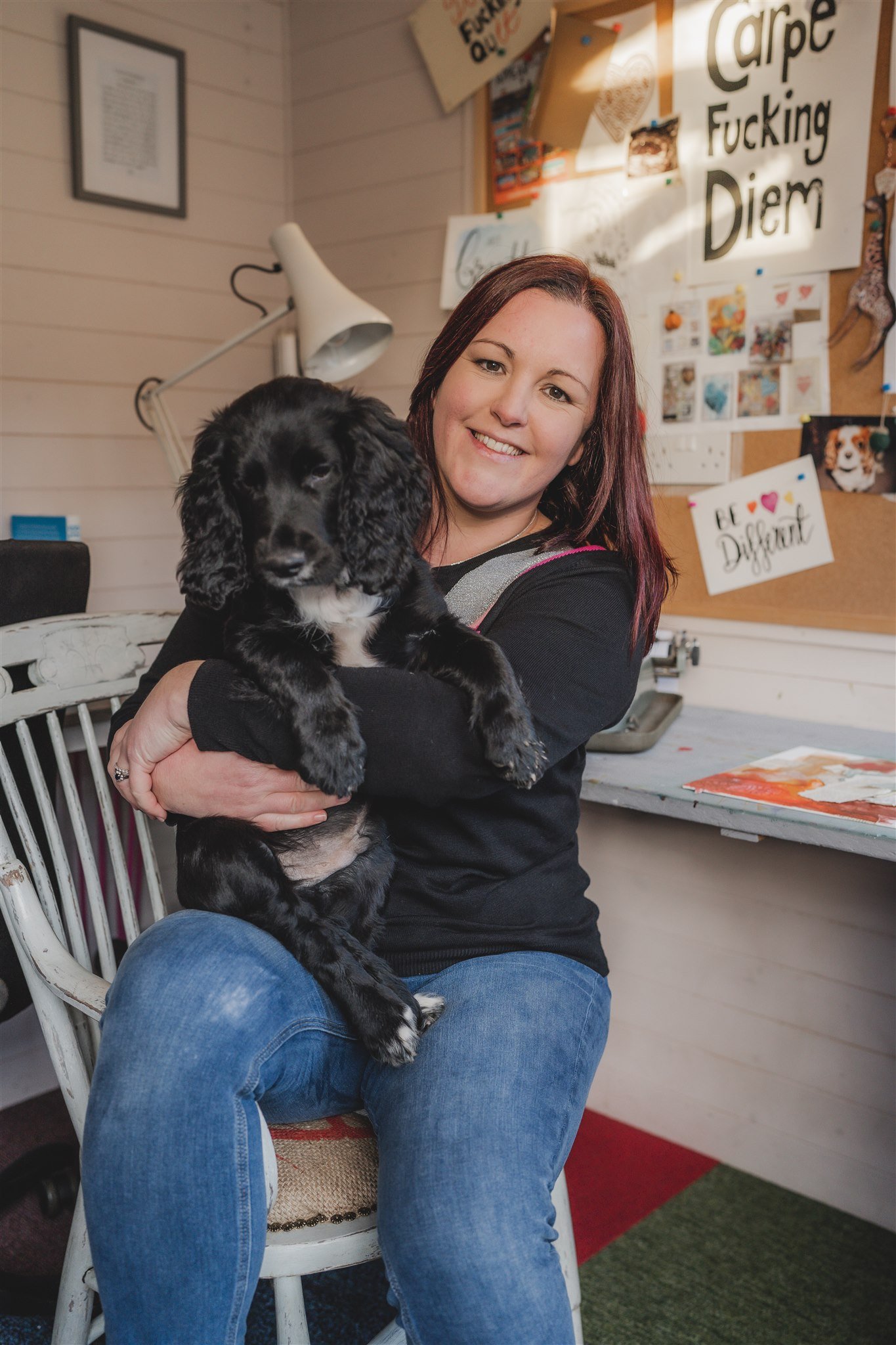
Outside of coaching, I'm a mum, wife, artist, dog lover, Ministry of Sound groupie, and endlessly curious about why people get stuck - happiest when I'm helping someone reconnect with themselves. My career hasn't followed a straight line either; I'm a qualified engineer (no, really!), teacher, researcher, and now work as a Coaching Psychologist Practitioner. Looking back, every one of those experiences has shaped the way I coach today.
I don't believe there's one "right" path through life.
I believe there's the path that's right for you.
And I'd love to help you find it.